In short
- In the summer of 2022 I made Urki, a burger-flipping goblin, as unpaid fan art for Goblintown, with no brief and no client.
- The first post did a shade over 64,000 impressions and led to Atari, six new Web3 projects and a message from Steve Aoki's team.
- The lesson I took from it: the audience you most want is usually the one that's hardest to fake your way into, so don't fake it.
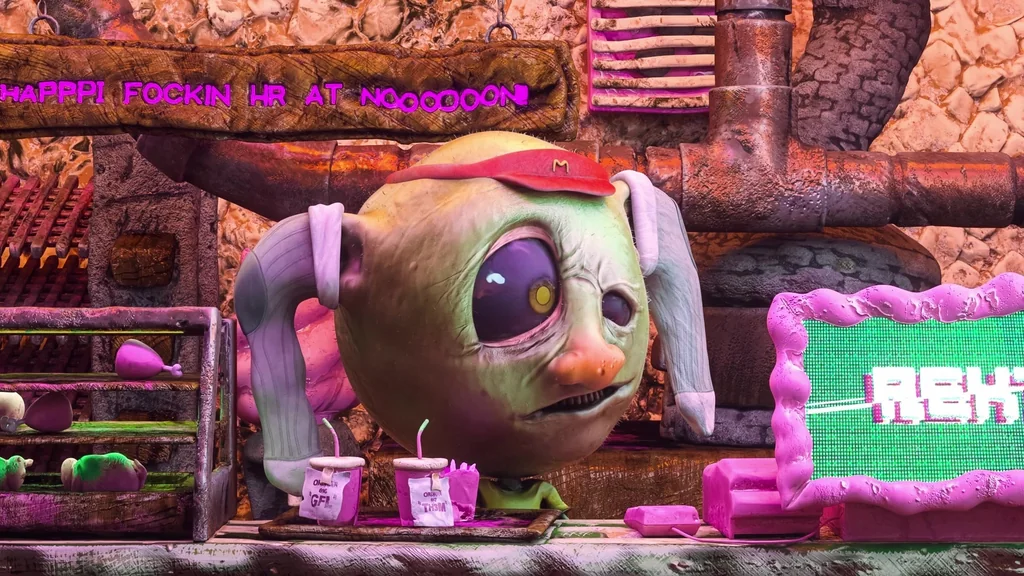
The tweet that changed my year was a goblin in a red cap, flipping burgers behind a filthy counter, under a flickering neon sign that read "HAPPPI FOCKIN HR AT NOOOOON". His name was Urki. I'd built him from nothing, dropped him into a grimy little scene with some wonderfully stupid sound design, and posted him with no brief, no client, and no real idea whether I was about to look brilliant or completely deranged.
To understand why I did it, you have to remember where everyone's head was at.
The bear market and the goblins
This was the summer of 2022. The market had fallen off a cliff, the mood online was grim, and most studios in my world were quietly battening down the hatches. Then, out of the gloom, a scruffy little collection of goblins appeared and started making an absurd amount of noise.
Goblintown was unlike anything else at the time. No roadmap, no promises, no polished founder threads about the future of finance. Just chaos, in-jokes, a made-up language, and a community that turned all of it into something genuinely magnetic. I watched it climb and had a strong feeling it wasn't going to fizzle out. There was real craft under the mess, and I wanted in on it.
I saw an opening. If I could make something that landed with that crowd, I could pull a bit of their energy back towards TH3M and put my animation and storytelling in front of exactly the kind of audience I wanted. That last part mattered. I'd spent years building the studio's craft on proper brands, and this was a chance to aim it somewhere that would actually get talked about. On paper it was simple. In practice, it was the hard bit.
You cannot market at these people
The thing about a community like Goblintown is that they can smell a brand trying to sell to them from a mile off, and they will happily tear it to pieces for sport. This was a notoriously difficult audience to win over, and the usual playbook, the polished ad, the "fellow kids" tone, the forced meme, would have got me laughed out of the room and rightly so.
So I didn't market at them. I did my homework instead.
I spent a lot of time simply living in it. Lurking in their Twitter spaces, learning the rhythm of how the brand actually spoke, working out what made the community tick rather than guessing at it. At that point Goblintown were kicking off their McGoblinburger story, a side property that let holders mint their own goblin burgers, and the hype around it was real. Everyone was scrambling to secure theirs. They even had social accounts role-playing as McGoblinburger staff, fully in character. Once I understood that, I knew exactly what I was going to make.
"Goblintown NFT became a viral phenomenon largely through its bizarre Twitter strategy. The account regularly posts nonsensical goblin gibberish, bizarre tweets, and hosts massive spaces where speakers do nothing but make goblin noises."
Building Urki
I picked one of the McGoblinburger staff, a goblin called Urki, and set about bringing him into 3D. Then I dropped him behind the counter mid-shift, serving up McGoblinburgers in all his glory, and built a whole grimy little world around him. I hid a few TH3M easter eggs in the scene for anyone paying close attention, and paired the whole thing with some deeply wacky sound design.
The goal was never to make it look expensive. It was to make it feel like it belonged, like it had crawled out of the same swamp as everything else they loved, only rendered with a bit more care than they were used to seeing. Watching it come together, I had that itchy feeling you get when something might actually work, sitting right next to the quiet dread that it might not.
Then I posted it, tagged the Goblintown crew, and I sat there braced for tumbleweed.
It went off
It didn't take long. I put it out with a simple line, "Art inspires art", a nod to the fact this was homage rather than a pitch, and things lit up almost straight away.
The McGoblinburger and Urki accounts started replying in full goblin-speak. Then the main Goblintown account quote-tweeted it with "oooo dis ees so amesin We luv dis so mush WoW!!", which if you know that world is about as good as it gets. From there the whole community piled in, thousands of comments and retweets, people asking whether these were early metaverse-ready models, the inbox filling up with strangers who suddenly wanted to talk to me.
That first post did a shade over 64,000 impressions on its own. I checked my phone the morning after and had to read the number twice, because for a studio nobody in that space had heard of the day before, it made no sense at all.
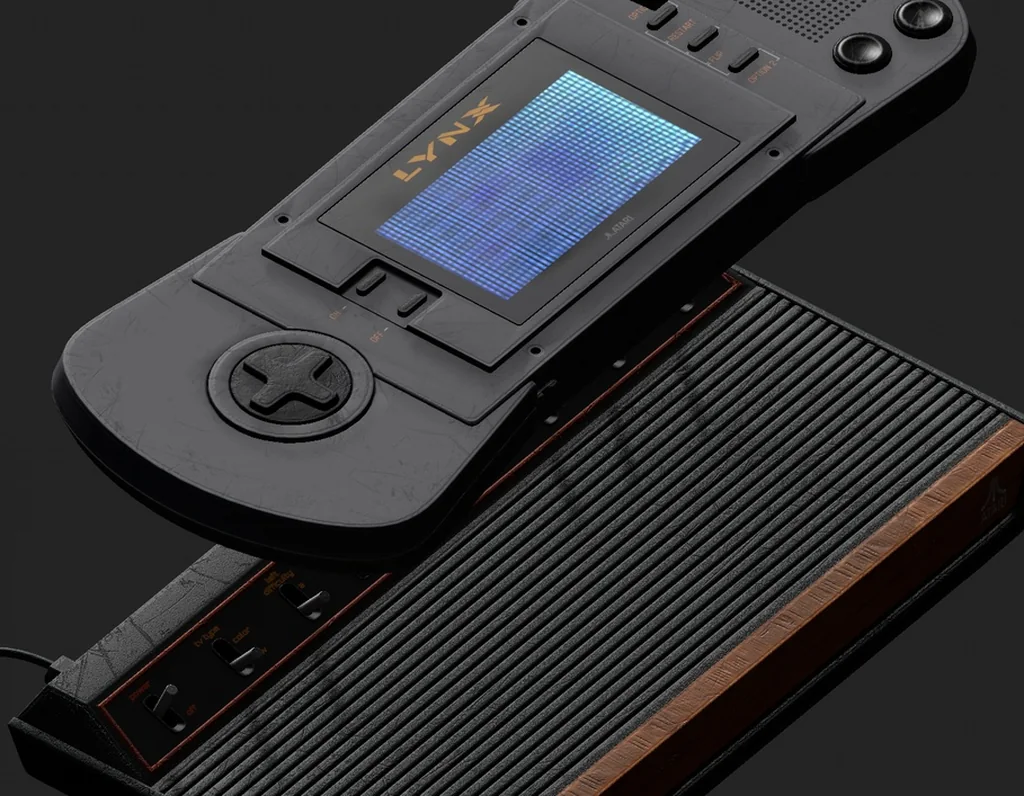
But the impressions weren't really the point. What that one piece of fan art actually did was open doors I'd have struggled to knock on any other way. In a short space of time I got invited by Goblintown to create custom 3D models, I was approached by Atari, I won six new Web3 creative projects, and I picked up a steady stream of new followers and messages that carried on well after the noise died down.
And one of those messages was from Steve Aoki's team.
The bill
What one piece of fan art paid back.
Made for free, expecting nothing back. Here's what came in.
TH3M
Summer 2022. No brief, no client
- 1 x Urki, unpaid fan art£0.00
- What it paid back
- Impressions on the first post64,000+
- Invite from Goblintown to make custom 3D modelsYes
- Approached by AtariYes
- New Web3 creative projects6
- Message from Steve Aoki's team1
- Second order
- 1 x Goblin Steve, 1 x Character X, 1 x cake with pee cannons
- Steve Aoki's followers when he shared it, then followed me8.2M
- Impressions on one tweet84,000+
- More Web3 clients4
- First proper music-industry client1
Total paid£0.00
Art inspires art
Act two: a goblin, a mascot, and a cake with pee cannons
After I got on a call with Steve and his management, we landed on something suitably ridiculous. I'd make a funny goblin film for his single "P*ss on the Dancefloor", handed out as an NFT to everyone who came through NFT NYC.
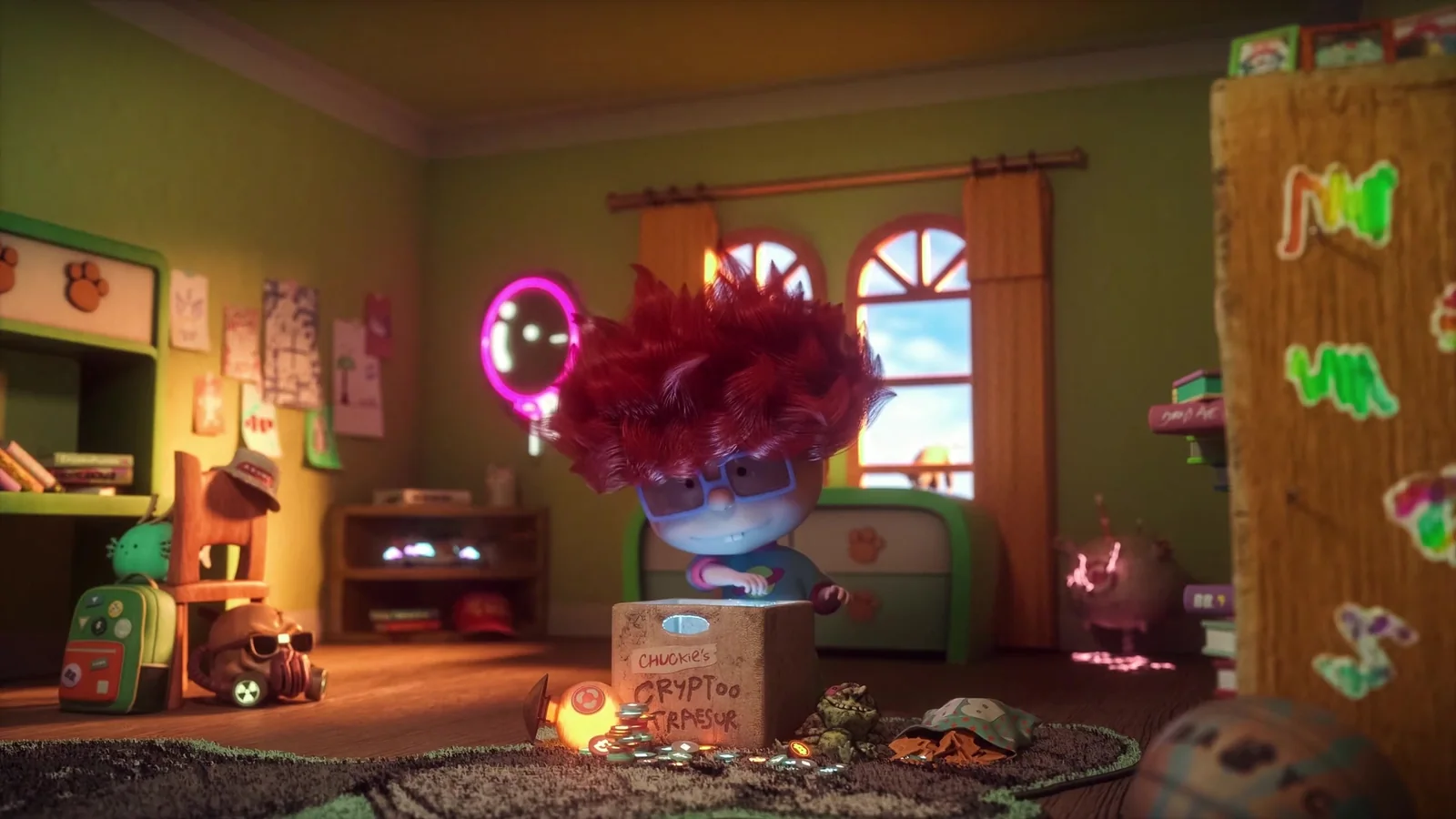
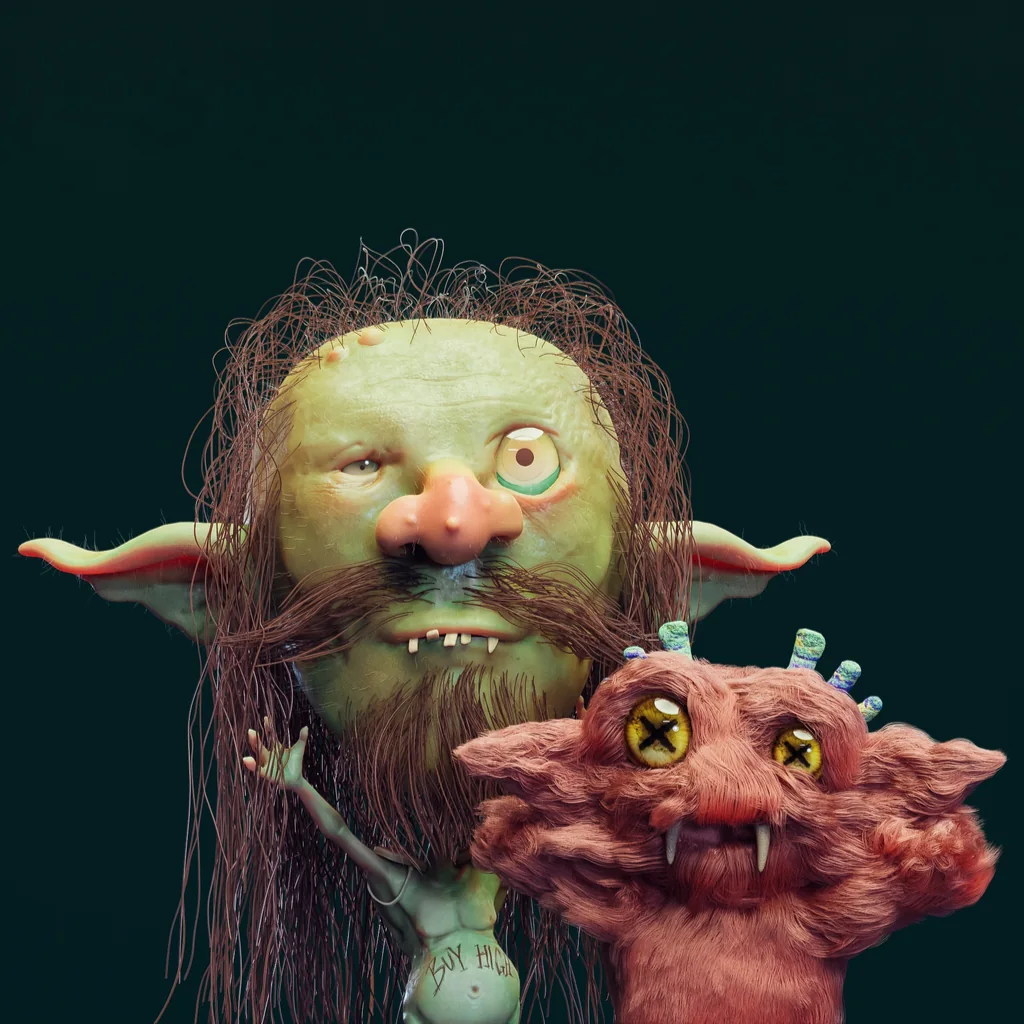
The brief, once I'd finished writing it, read like a fever dream. I'd build a 3D goblin version of Steve Aoki himself, alongside his Character X mascot from his Dreamcatcher collection, and then, because the Goblintown community had a well-documented obsession with p*ss that I felt honour-bound to serve, I'd give them a giant goblin cake fitted with working pee cannons.
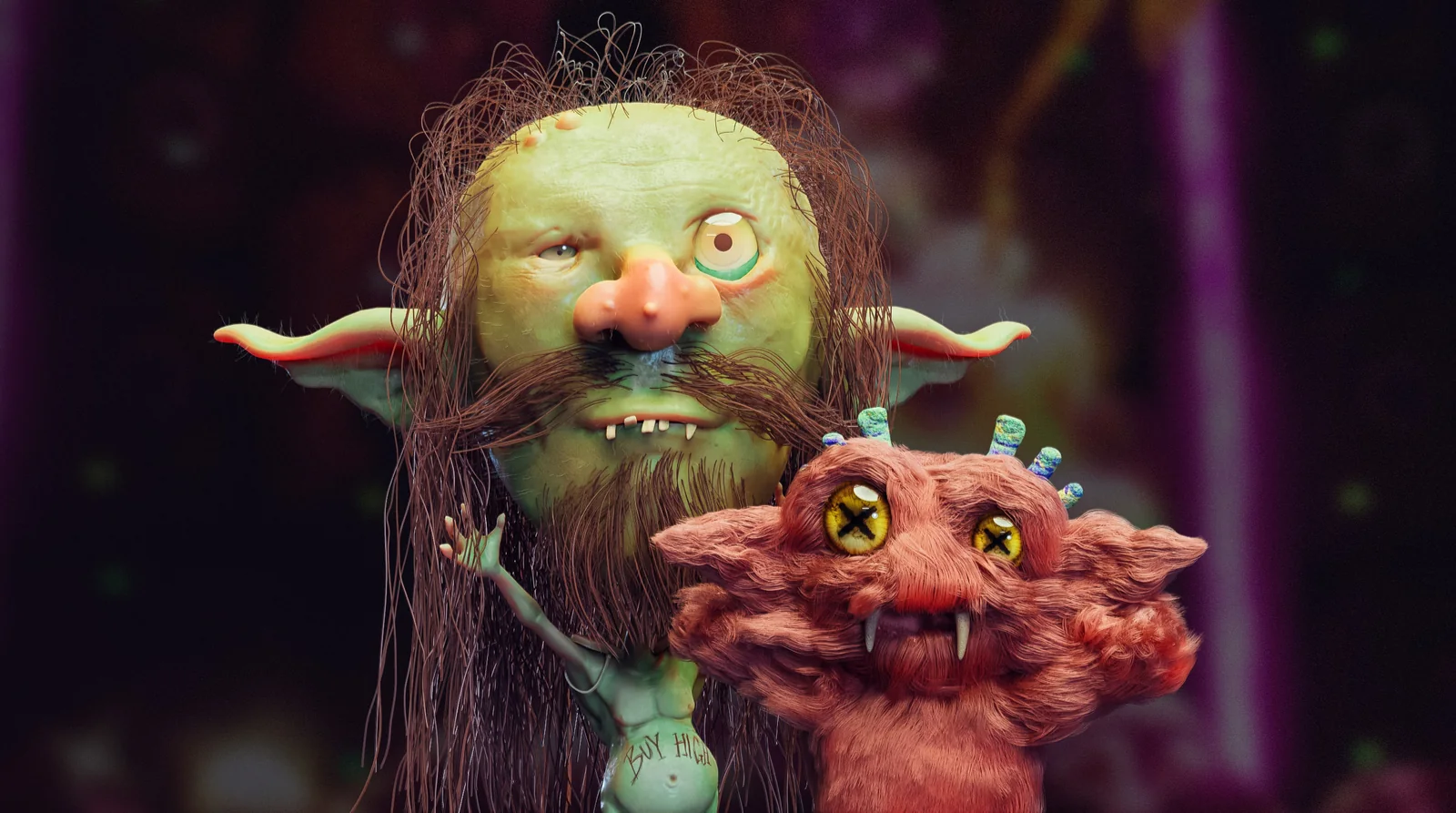
I want to be clear that I pitched all of this out loud, with straight faces, to a Grammy-nominated artist's team. There's a very specific feeling that comes with calmly explaining how the pee cannons on a cake would actually work to a room of serious music-industry people, one half of you braced for someone to quietly call security. Instead they nodded along, got more into it than I was, and I realised I'd stumbled onto the one audience where the more unhinged the idea, the better it landed.
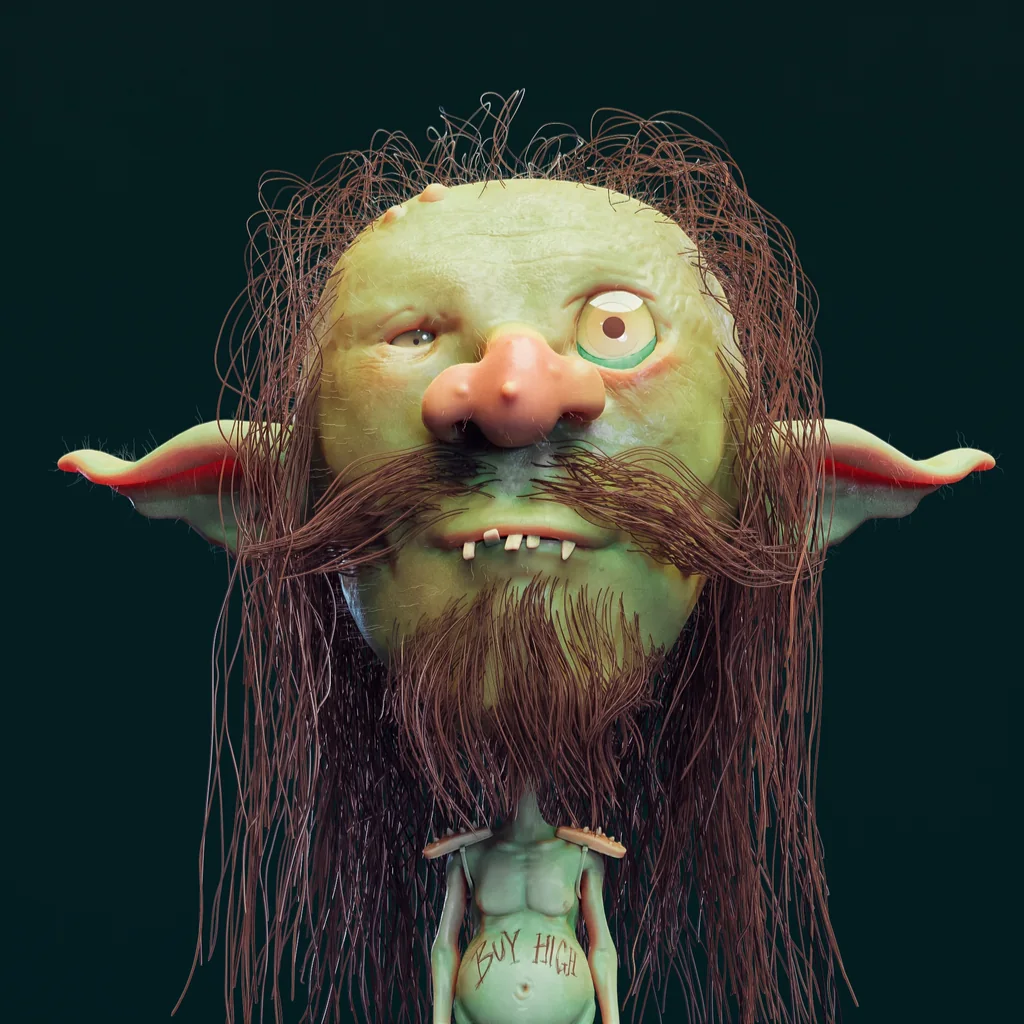
First came Goblin Steve, long-haired, one wandering eye, "BUY HIGH" tattooed across his chest, which is the kind of detail that only works if you've done the reading. Then Character X. Then the cake, the scene, the whole absurd set piece.
What it did
When it went out, it moved faster than the first one. Steve Aoki, sitting on 8.2 million followers, not only shared it but followed me off the back of it, which is still one of my favourite sentences to write. Goblintown reposted it to their community with "Purveyors of P*ss assemble, your king is here." One of the tweets cleared 84,000 impressions.
Underneath the noise, it brought in four more Web3 clients and my first proper music-industry client, and it quietly sparked a side project of my own that I'm not quite ready to talk about yet.
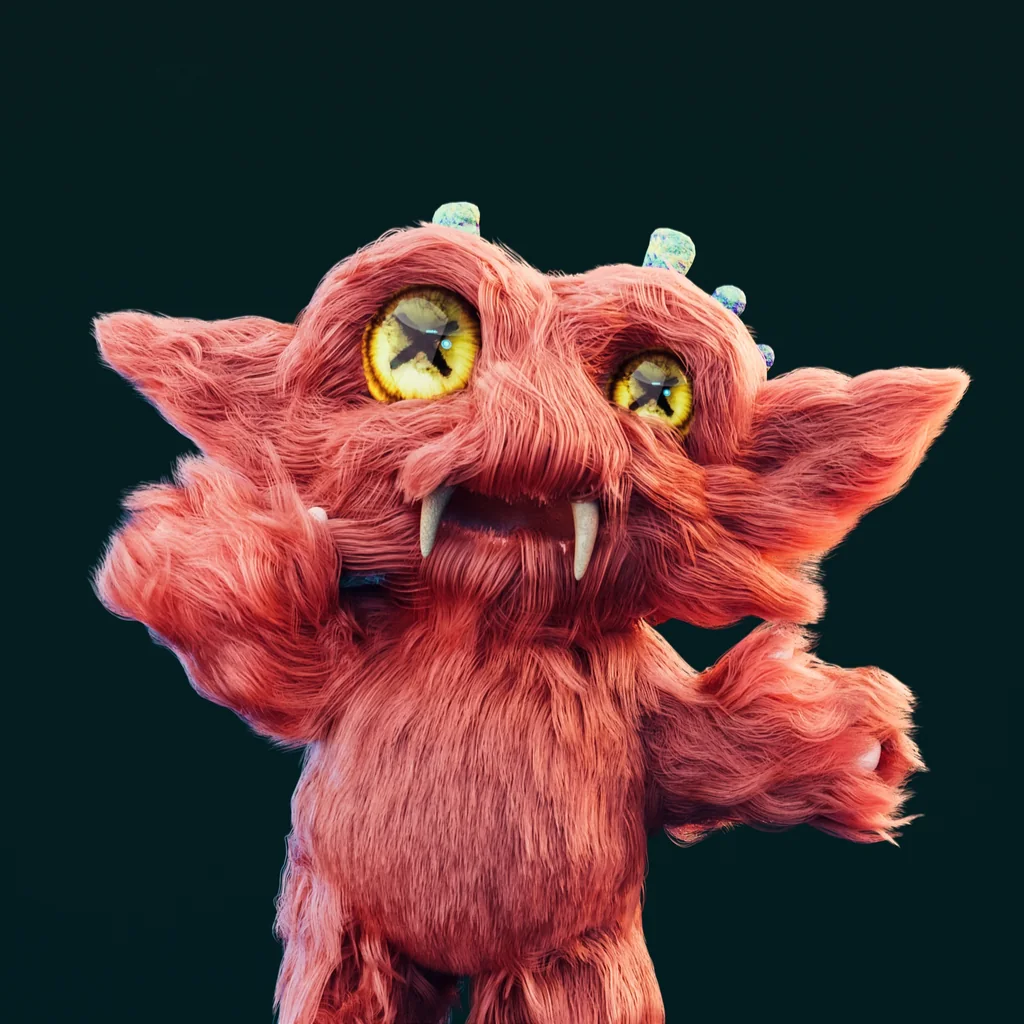
How it was made
An insight into my creative process.
What I actually took from it
It would be easy to write this off as a lucky moment in a strange corner of the internet, and part of me is tempted to. But the more I sit with it, the more I think the lesson holds up anywhere.
I didn't win that community by talking at them, or by dropping a budget on ads, or by explaining why they should care about me. I won them by caring about the thing they cared about, enough to make something for it, for free, expecting nothing back. I did the homework, I respected the craft that was already there, and I matched their weirdness instead of sanding it down.
The audience you most want is usually the one that's hardest to fake your way into.
That's the whole game, really. The audience you most want is usually the one that's hardest to fake your way into. So don't fake it. Learn what they love, and then go and make the best possible version of it. Even if that version happens to involve a cake with pee cannons.