In short
- For The Royal Mint's 2019 coin set I hand-built five 3D worlds, checked for accuracy by the Imperial War Museum and Wedgwood.
- AI is brilliant at the menu. The meal still needs someone who cares about details nobody asked for.
- The care paid off. The mailer went to more than 48,000 households and returned 1,100%.
These days, you can ask an AI to generate a detailed, dramatic little world in roughly the time it takes to read this sentence. I once spent three months hand-building five of them, one wrapped around each coin in a Royal Mint set, every element modelled and placed on purpose and checked for historical accuracy. In a world full of AI, I'd make exactly the same call again tomorrow, and this is the story of why.
A few years ago I sat at a screen at two in the morning, moving a single blade of grass a fraction of a millimetre to the left. Not a field of grass. One blade. On a coin most people would glance at for half a second before it slid back into their pocket.
That was one of a handful of projects I did for The Royal Mint, and it's the one that keeps coming back to me.
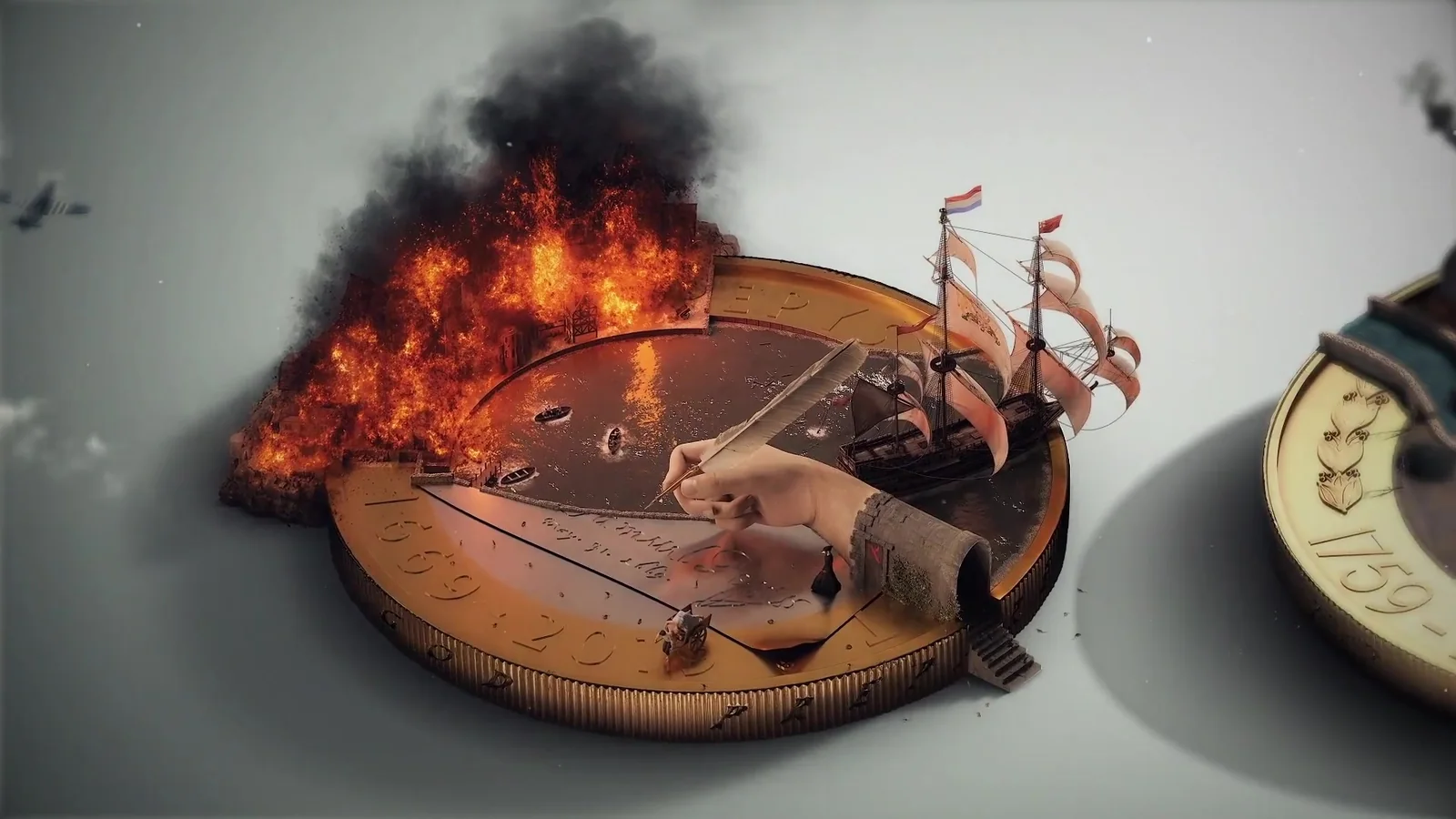
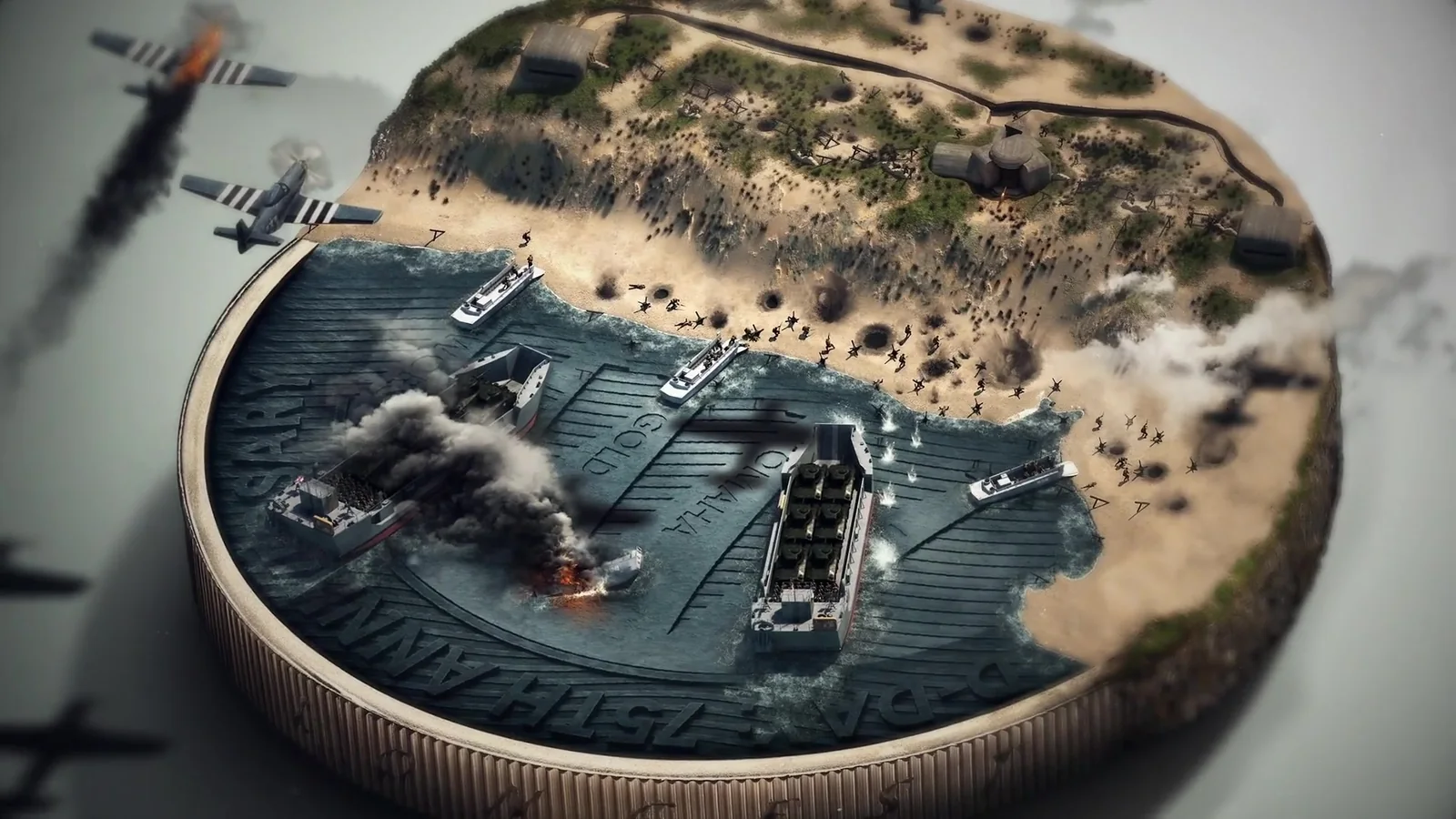
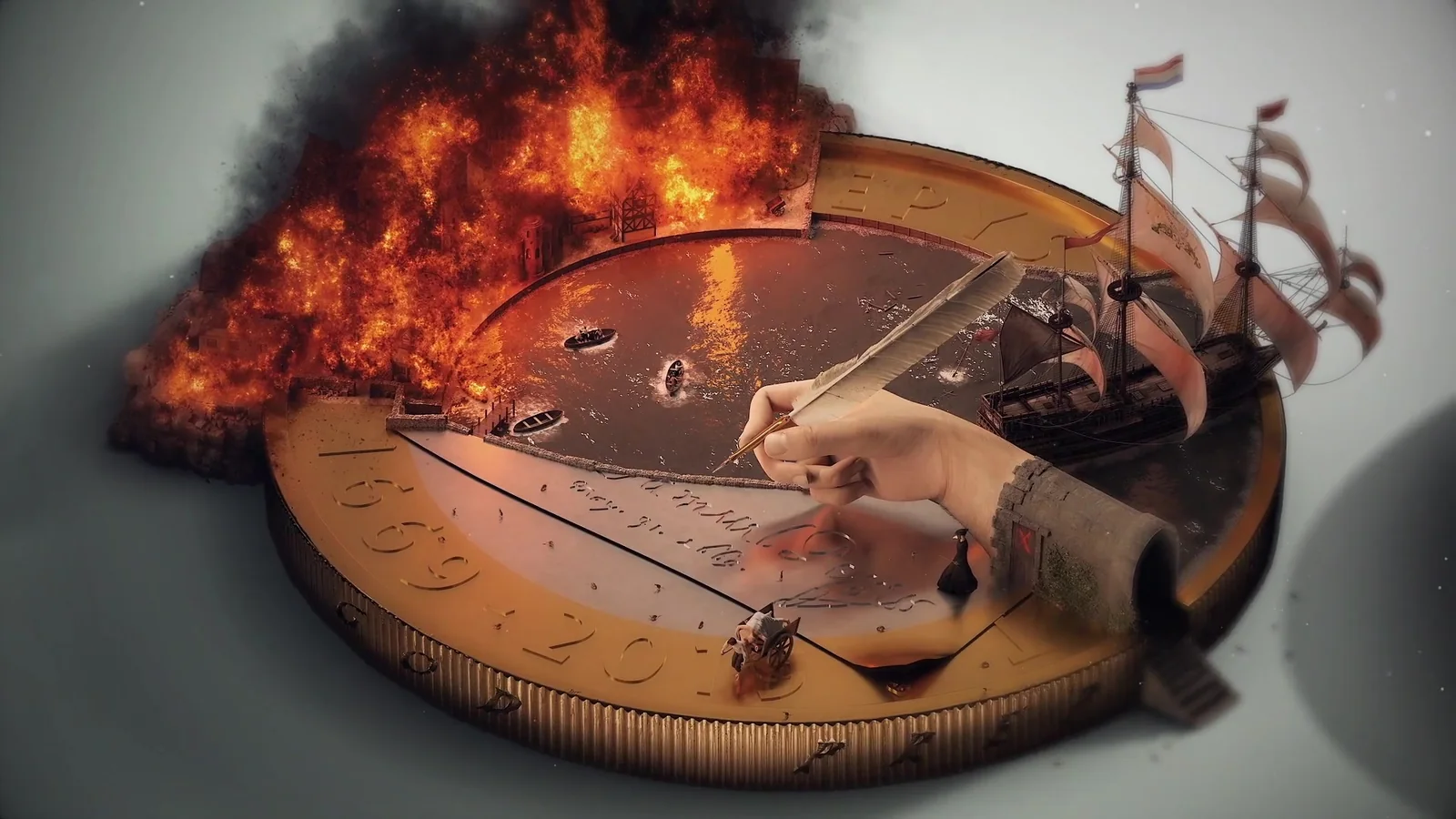
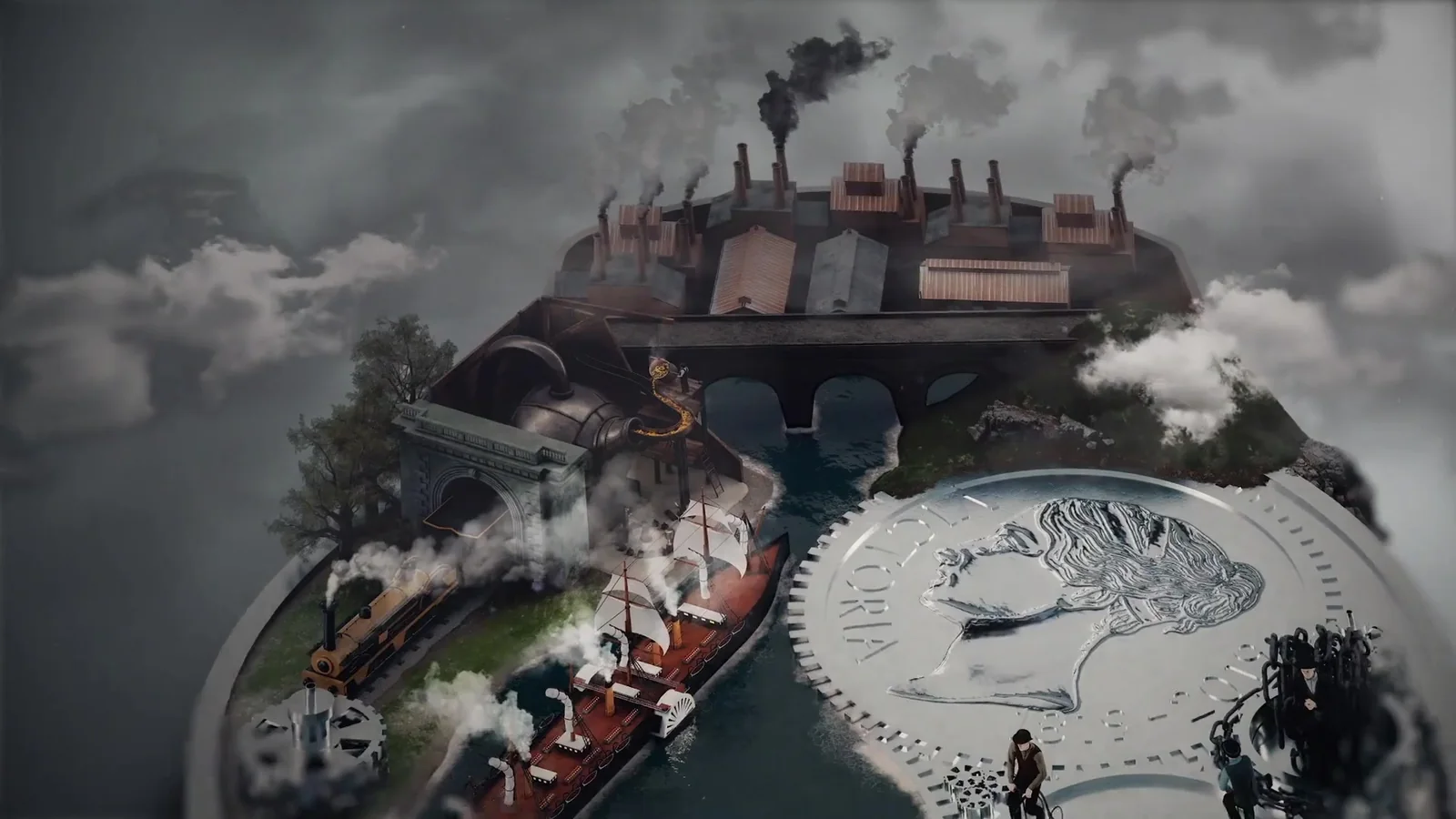
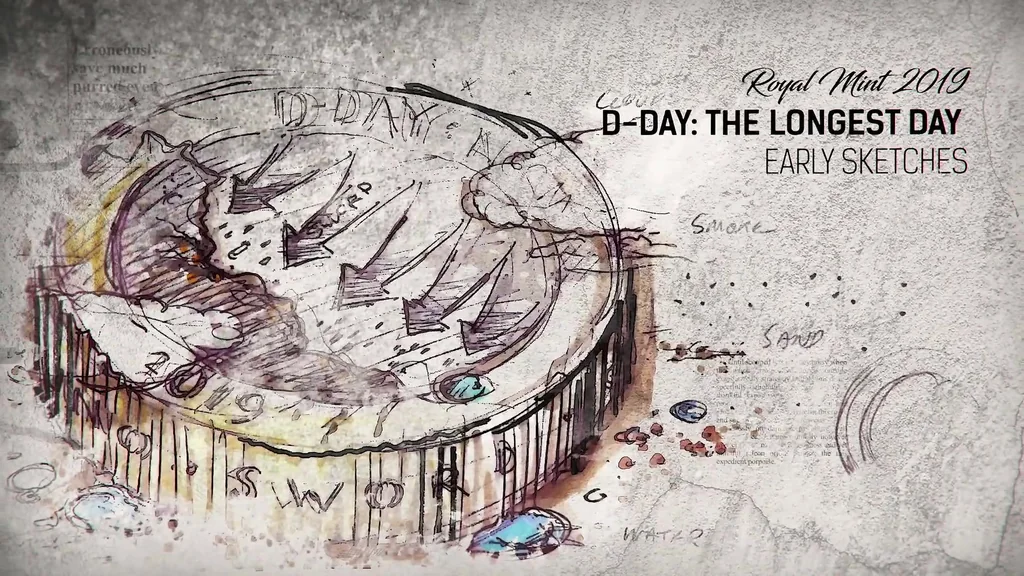
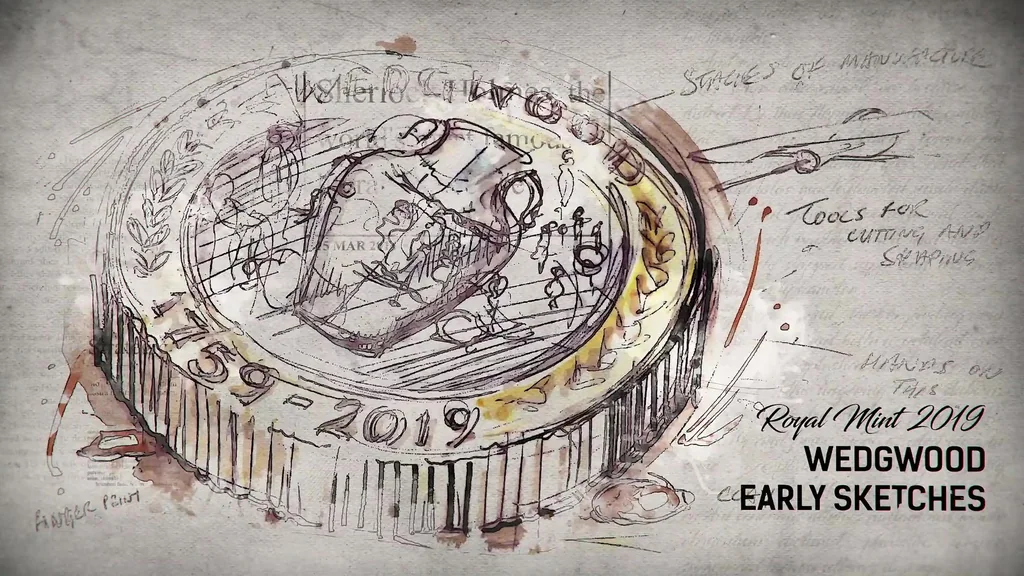
They'd come to me with their 2019 coin set, Monumental Stories in Miniature, and the brief was the sort that sounds like a gift right up until you sit down to actually do it. Bring the coins to life. Five of them, Sherlock Holmes, Samuel Pepys, Wedgwood, D-Day and Queen Victoria, and my job was to take each flat little disc and turn it into a world with depth and weather and drama in it.
Have a look
Five coins, five worlds.
Pick a coin, then drag the glass over it. Most of the detail is too small to see without one.
Up close
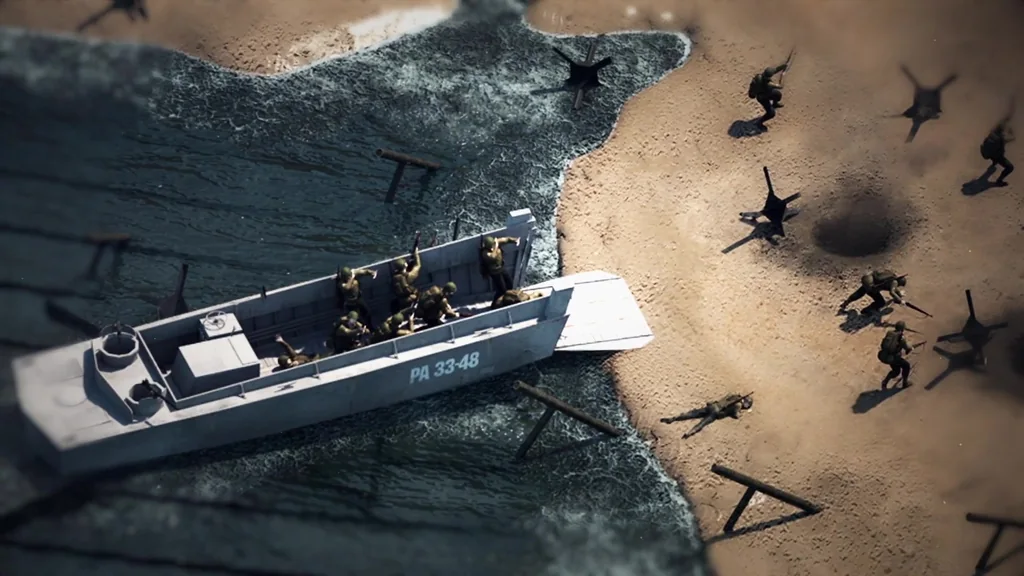
The rivets on a D-Day landing craft. The Imperial War Museum checked my work against the real thing.
Up close
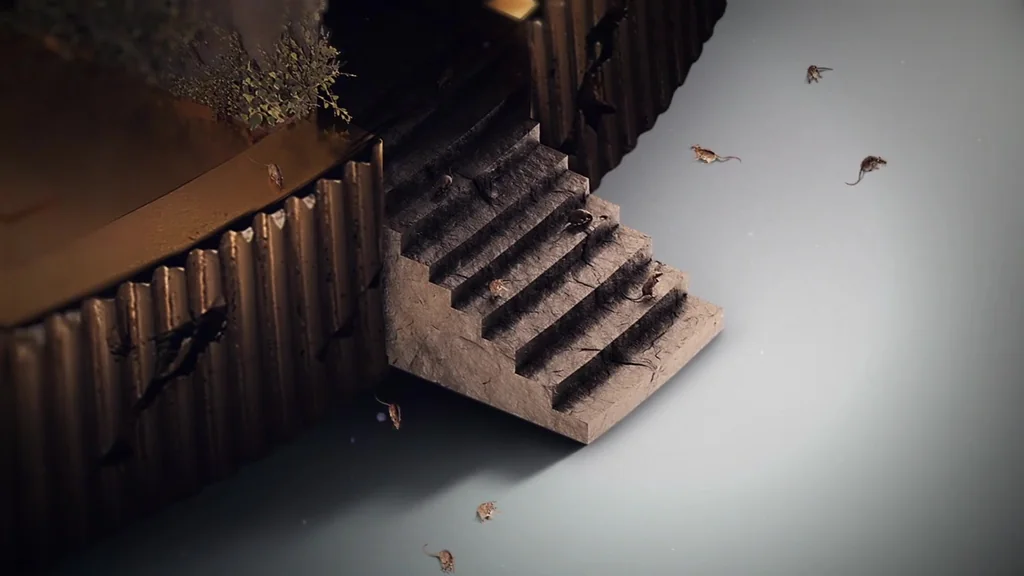
Plague rats no bigger than a pinhead, pouring over the edge of the coin.
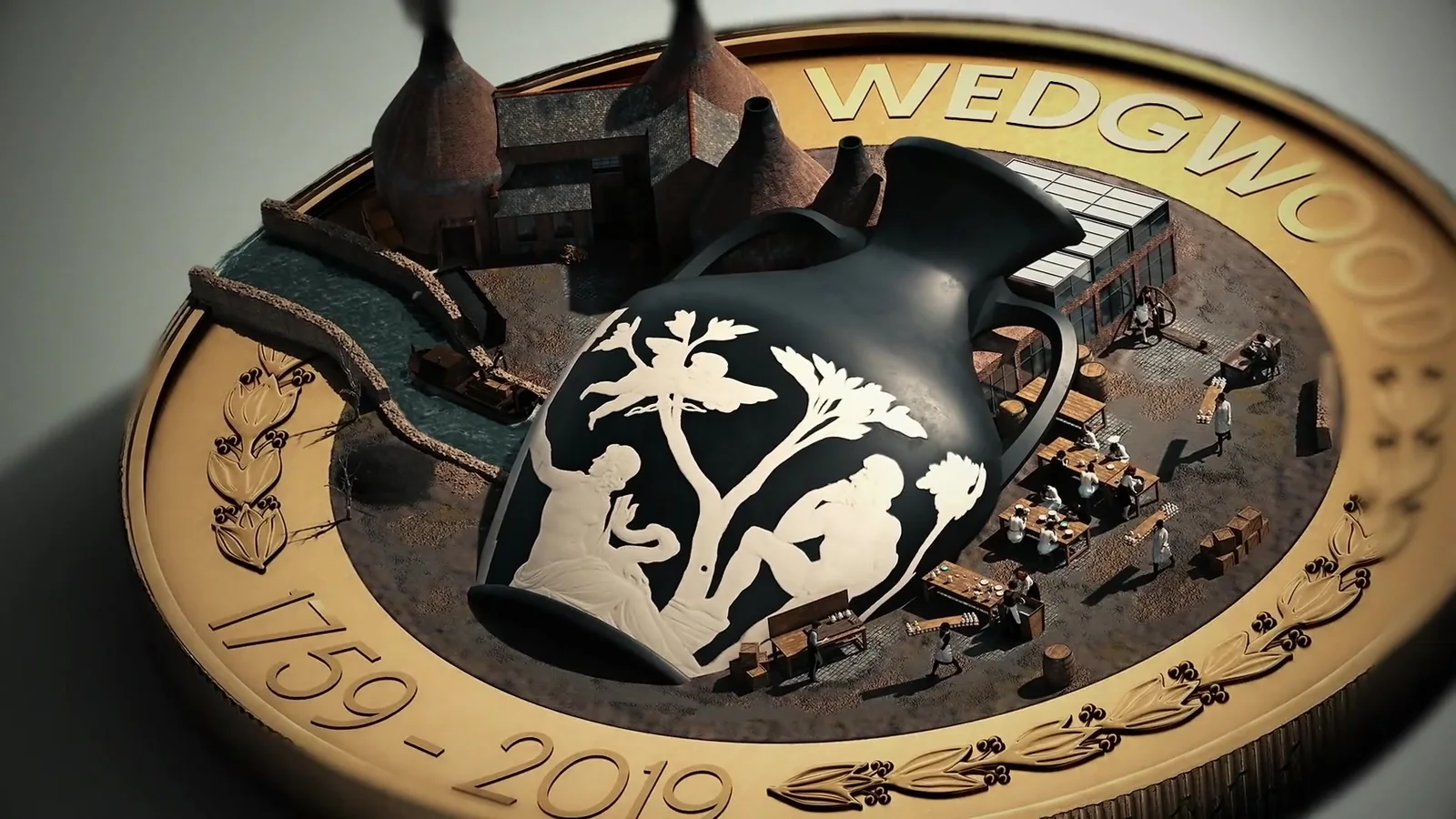
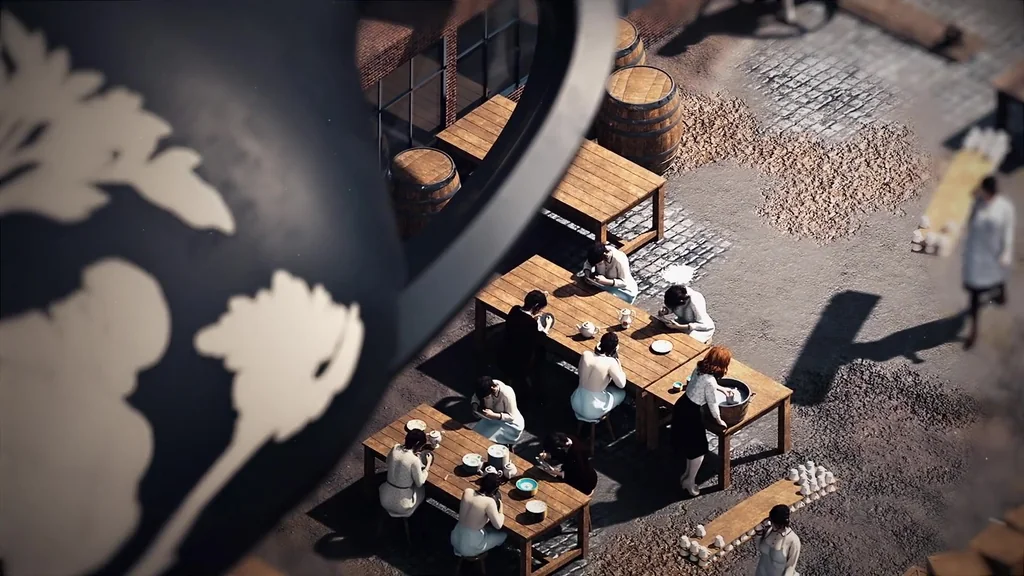
Up close
Wedgwood themselves signed off the detail.
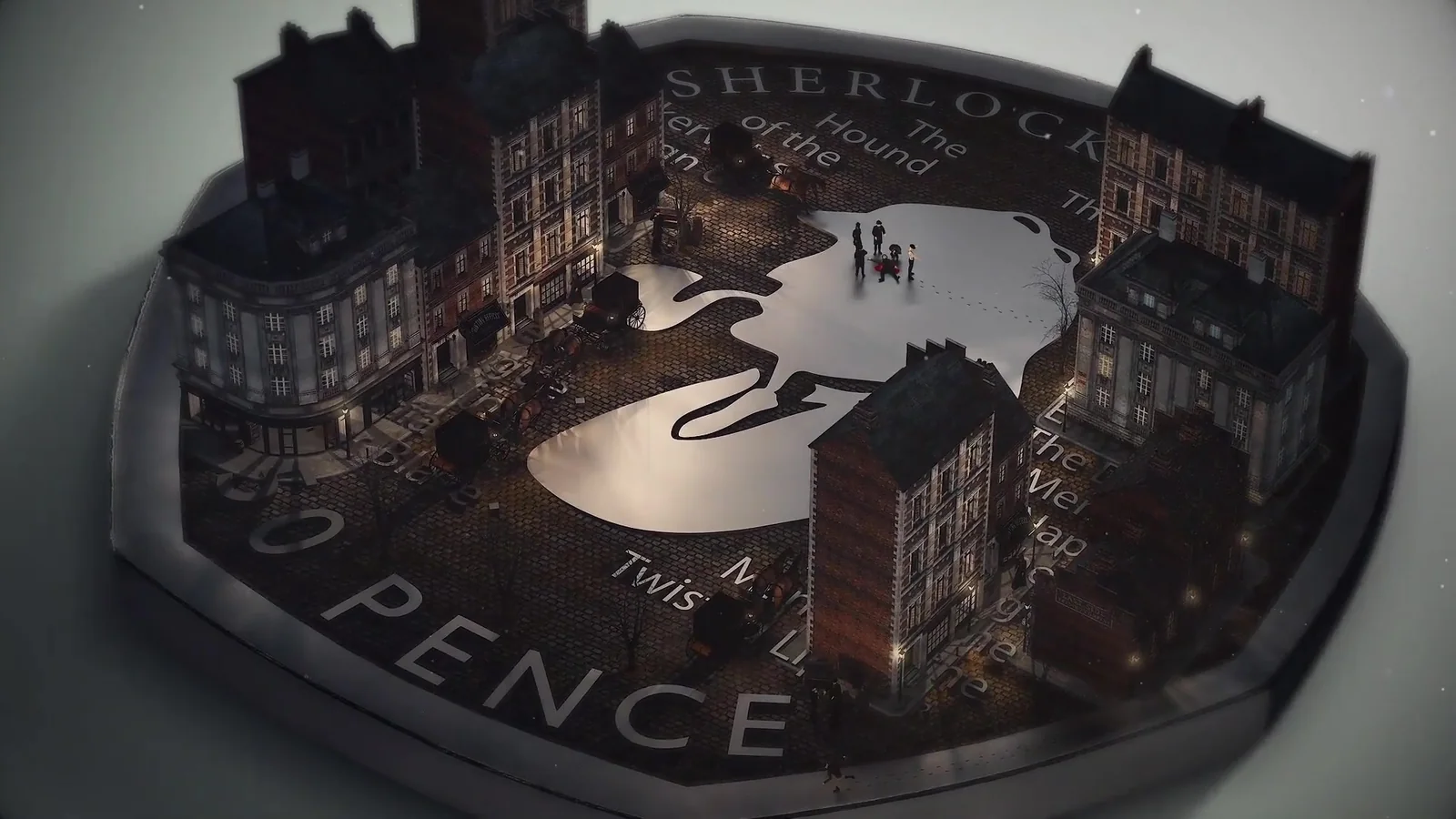
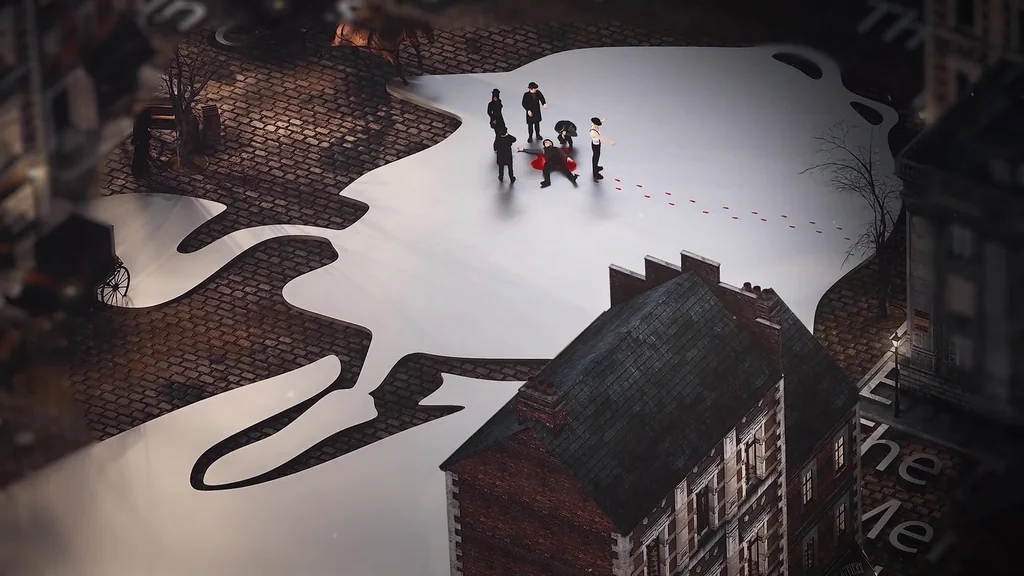
Up close
The bloody trail a fleeing murderer left curling across the coin, as if the crime had only just happened.
Up close
The cogs and gears that powered Queen Victoria's age, all turning and connected.
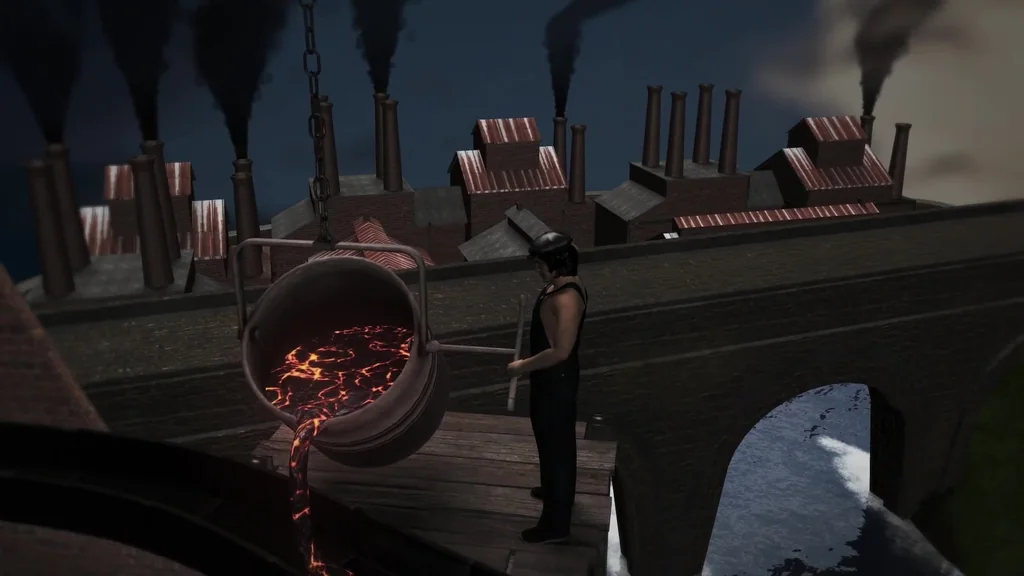
So that's what I did, in 3D, one obsessive detail at a time. From the rivets on a D-Day landing craft, to plague rats no bigger than a pinhead pouring over the edge of Samuel Pepys' coin, to the cogs and gears that powered Queen Victoria's age all turning and connected, to the bloody trail a fleeing murderer left curling across the Sherlock Holmes coin as if the crime had only just happened.
And it had to be right. Not roughly right. Right. For the D-Day coin I worked alongside the Imperial War Museum, who checked my work against the real thing. For Wedgwood, Wedgwood themselves signed off the detail. Every vehicle, every texture, picked over by people who would spot a mistake in a heartbeat. There's a specific kind of pressure that comes with that, knowing the experts are leaning over your shoulder, and it's exactly the pressure that has you nudging a blade of grass at two in the morning.
Where the obsession comes from
People ask me sometimes where that fussiness comes from. I think it's the trade. I left school at seventeen to lay bricks with my dad, and one of the first things a building site teaches you is that the details you assume nobody notices are usually the ones holding the whole thing up. A wall is only as good as the parts you can't see once it's finished. I never really shook that. It just moved from bricks to pixels.
The bit everyone's arguing about
All of this is on my mind lately because of where we've ended up with AI.
Scroll your feed and a good chunk of what you're looking at was made in seconds. A lot of it looks the part, and I want to be clear, I'm not one of the people shaking a fist at it. I use AI every single day. It's brilliant for getting from a blank page to a hundred rough ideas in no time, so you can bin ninety-nine and chase the one that's actually worth it. It's made me faster and it's taken a load of the donkey work off the table. I'm glad it's here.
The real skill with AI was never in using it. Pretty much everyone can do that now. The skill is knowing exactly where it earns its place in a piece of work and where to keep it out of the room entirely. I reach for it most days and I'd not want to give it back. But there's a whole part of my process it never gets near.
The decisions that actually matter stay with me. The ones about what a world should feel like, which detail earns its place and which is just showing off, whether a thing has truly landed or whether it's technically finished and still somehow missing something you can't name. Those aren't tasks you hand off to anything. They carry something I've never once watched come out of a machine, and believe me, I've looked. Call it taste, call it instinct, call it soul. Whatever the word is, there's no substitute for it, and there's no prompt for it either.
Here's the clearest example I've got. AI doesn't sweat the blade of grass. It can't. It predicts and it recombines and it hands you something that looks right, instantly. What it won't do is sit with a brief for weeks quietly obsessing over how a fleeing murderer's footprints should fall across a surface the size of a thumbnail, knowing full well nobody will ever consciously clock it, and doing it anyway because it makes the whole world feel real. That isn't a prompt. That's a person caring about something they were never asked to care about. And you can feel the difference, even when you can't put your finger on why.
AI doesn't sweat the blade of grass. It can't.
Alan Watts had a line I've always loved. The menu is not the meal. Right now, AI is extraordinary at producing the menu. Beautiful, fast, convincing menus. But the meal, the thing with warmth and intent and a human fingerprint pressed into it, still has to be made by someone who gives a damn.
What the obsessiveness actually achieved
Now, you could read all that and decide it's a nice story about a Welsh lad fussing over grass. So let me tell you what the fussing actually did.
Those five little worlds became the centre of a full national campaign, online and off. The mailer alone went out to more than 48,000 households and came back with a return of 1,100%. There were full-page spreads in Britain at War and Military Monthly. The work went on show at the World Money Fair, the biggest coin fair in Europe, in front of more than two million people and over 330 mints from around the world. More than half a million impressions online. And David Park, the Royal Mint's own Head of Design, said I'd built worlds with more action and drama than they had ever imagined.
The result
What the fussing actually did.
Plus full-page spreads in Britain at War and Military Monthly.
- 48,000+households got the mailer
- 1,100%return on the mailer
- 2M+people saw it at the World Money Fair, Europe's biggest coin fair
- 330+mints from around the world at the fair
- 500k+impressions online
All of it off the back of caring too much about details nobody asked for. That's not a footnote to the result. That was the result.
AI is going to keep getting better, and I'm going to keep using it, hard. But I don't believe it will ever lie awake over a single blade of grass. That part is still ours, the people who actually make the things. And as the feeds keep filling with work that's technically flawless and somehow instantly forgettable, I've started to think that's the thing worth protecting. Not perfection. Care.
If you want to see the coins, the worlds and the making of the whole thing, the full case study is over on th3m.com/royal-mint. Go and have a look at the rats. I'm quietly very proud of the rats.