In short
- Web3 runs on community time. Narratives arrive, peak and disappear in the time most companies take to approve a logo.
- Even the quickest agencies struggled, because the making took weeks and the moment lasted days.
- AI has collapsed the making. The taste, the deciding and the feel for the community still have to come from a person.
The most expensive thing in Web3 has never been gas fees. It's a week.
I've learned that over ten years, mostly the hard way. I've been in crypto since 2016, first with my own money, then making the creative for projects I believed in, and eventually building a crypto exchange from nothing to a $23M market cap, with no funding, before I exited. In that time I've watched entire narratives arrive, peak and get buried in less time than most companies take to approve a logo.
Ten years is a long time in any industry. In Web3 it's closer to seventy, and some mornings I feel every one of them.

The clock runs differently here
On a Monday the timeline is obsessed with one thing. By Wednesday there's a new chain everyone swears is the one, a new meme, and a thread explaining why Monday's thing was always a terrible idea. By Friday somebody's made a fortune, somebody else has lost one, and they're both posting about it.
I've had a front-row seat for a lot of it. I was in the room for the AntShares to NEO era, back when projects were raising millions on a white paper and a website, and was later VeChain's first European creative partner, involved in their UFC partnership campaign. When a scruffy gang of goblins took over the internet in 2022, during the worst bear market most of us had seen, I was right in the middle of the Goblintown moment. I was also a founder of Galactic Fight League, a combat sports NFT project with UFC legend Demetrious "Mighty Mouse" Johnson as its ambassador. It was featured in Sports Illustrated and Forbes, and Vulcan Forged and SkyBridge Capital acquired it.
Every one of those eras had its own language and its own heroes, and none of them sent a calendar invite before it ended.
Ten years in
Seventy in dog years.
Pick a year. Every era had its own language and its own heroes, and the pup ages as you go.
70dog years in
2016. Bitcoin for the believers
- The timeline was on about
- Bitcoin, and whether any of this was real
- What I was doing
- Putting my own money in and learning the language
What it taught meHave skin in the game. This crowd can spot a tourist.
2017. White paper season
- The timeline was on about
- Projects raising millions on a white paper and a website
- What I was doing
- In the room for AntShares becoming NEO
What it taught meA name and a story can move faster than any roadmap.
2022. The bear market, and the goblins
- The timeline was on about
- Prices on the floor, and a scruffy gang of goblins everywhere
- What I was doing
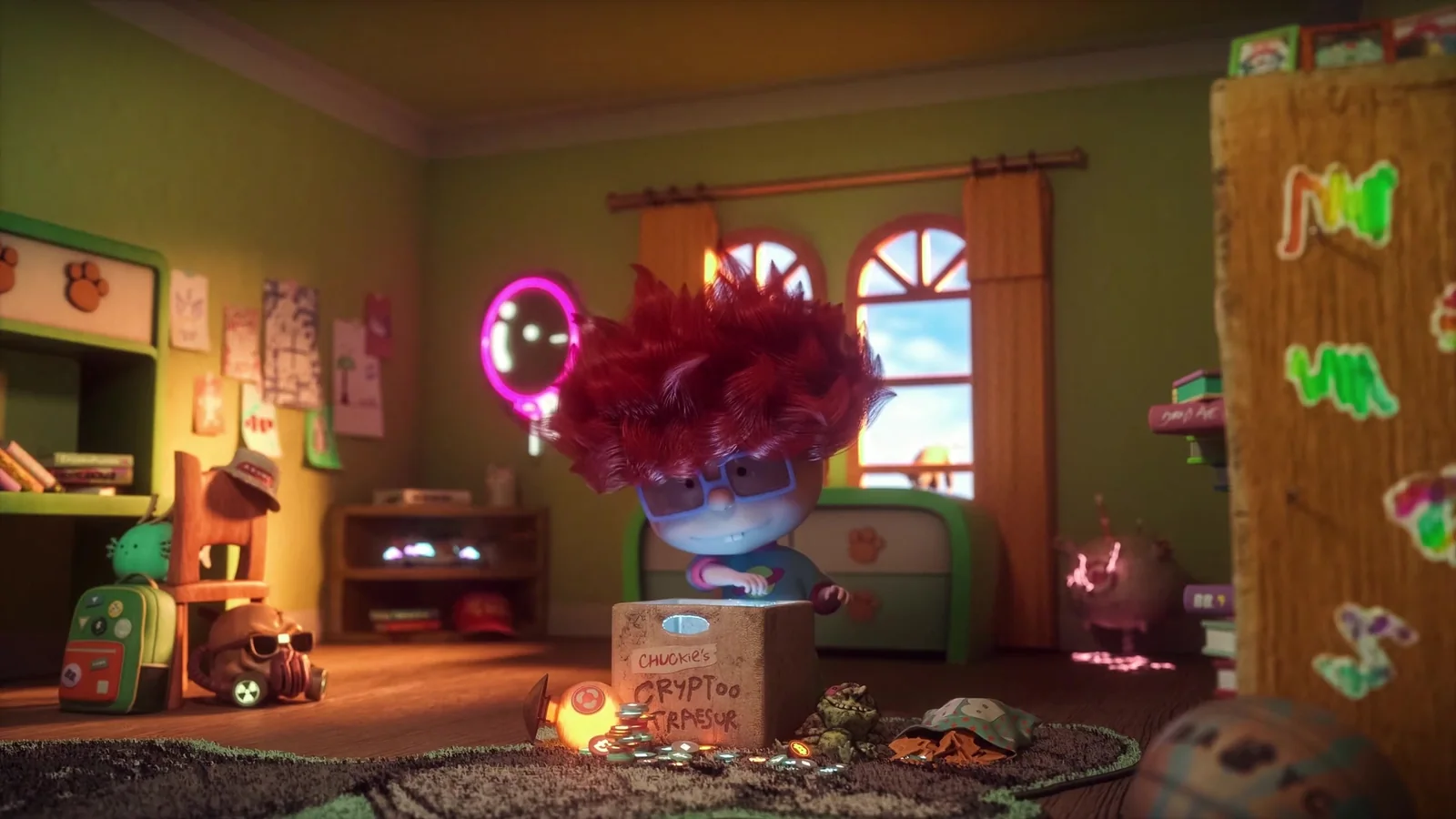
- Urki, Goblin Steve Aoki, Atari's Centipede and Chuckie's bedroom
What it taught meGive before you take. The community remembers who turned up for free.
2022. Blockchain meets the Octagon
- The timeline was on about
- Big chains chasing mainstream sport
- What I was doing
- Involved in VeChain's UFC partnership campaign, as their first European creative partner
What it taught meMake the tech mean something to people who'll never read a white paper.
2024. Memecoins and lore
- The timeline was on about
- Mascots, memes and characters with backstories
- What I was doing
- Building Pineapple from nothing to a $23M market cap
What it taught meDecide who you are early, then move at the speed of the timeline.
2025. The exit
- The timeline was on about
- AI agents, and everyone launching one
- What I was doing
- Exiting Pineapple
What it taught meMind the half you're not good at. Speed finds it first.
2026. AI in everything
- The timeline was on about
- AI in every pitch deck, and most of it looking the same
- What I was doing
- A pitch film for Pi Network, Fake Brand Friday, and a Cannes win for Priority Seat
What it taught meThe making got fast. The deciding is still the job.
Why even the fast agencies couldn't keep up
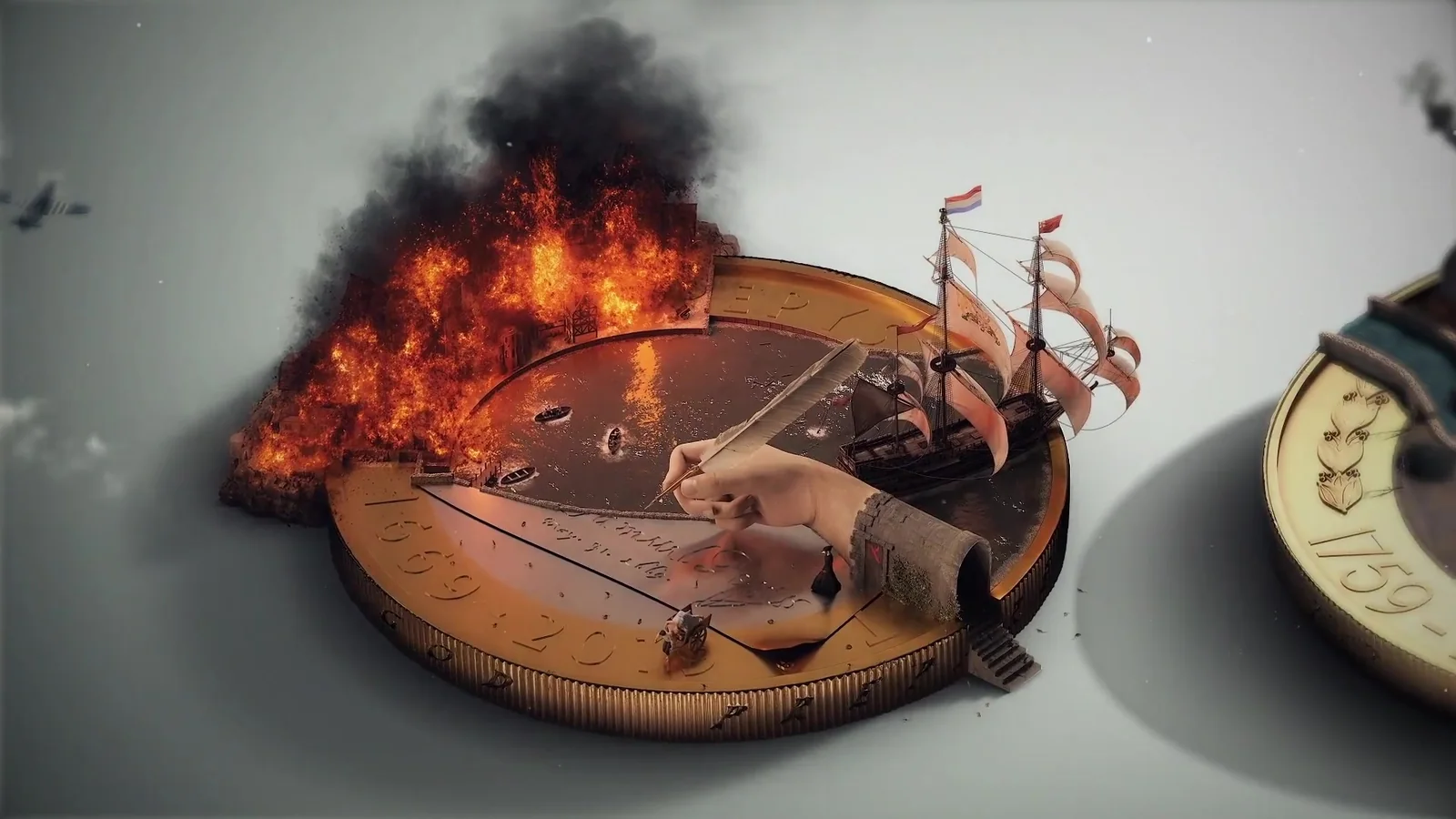
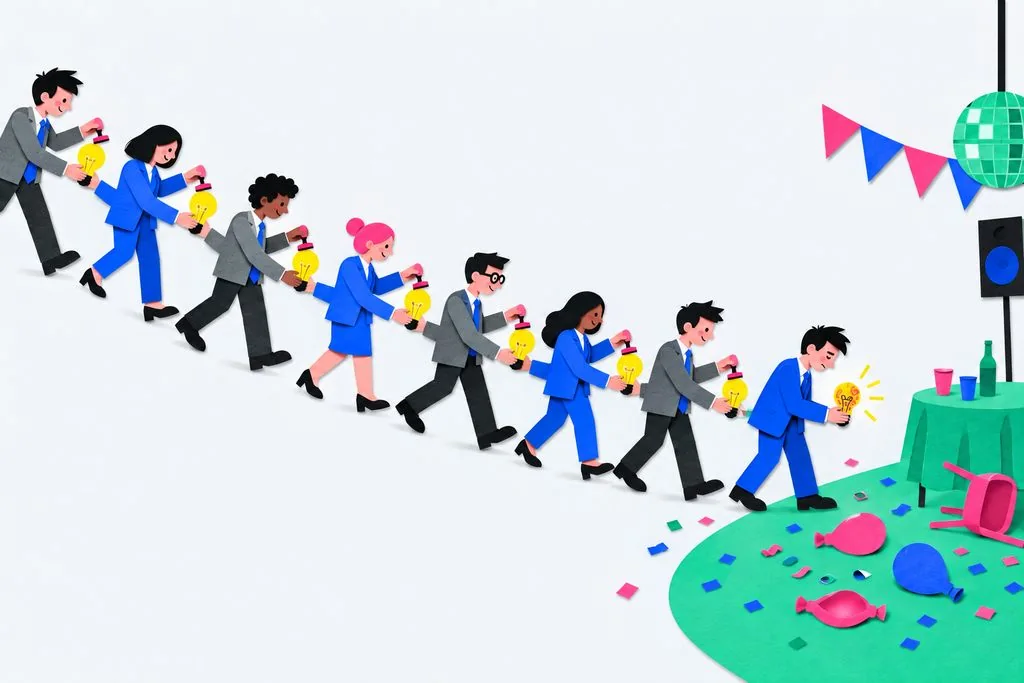
Here's the uncomfortable bit, and I can say it because I've run my own creative agency since 2016. Most agency processes are built for brand time. A brief, a moodboard, a first round, a second round, a call about the second round, legal, sign-off, production, and then a bit more sign-off for luck. For a lot of brands that's exactly right. I spent three months hand-building five coin worlds for The Royal Mint and I'd make the same call tomorrow.
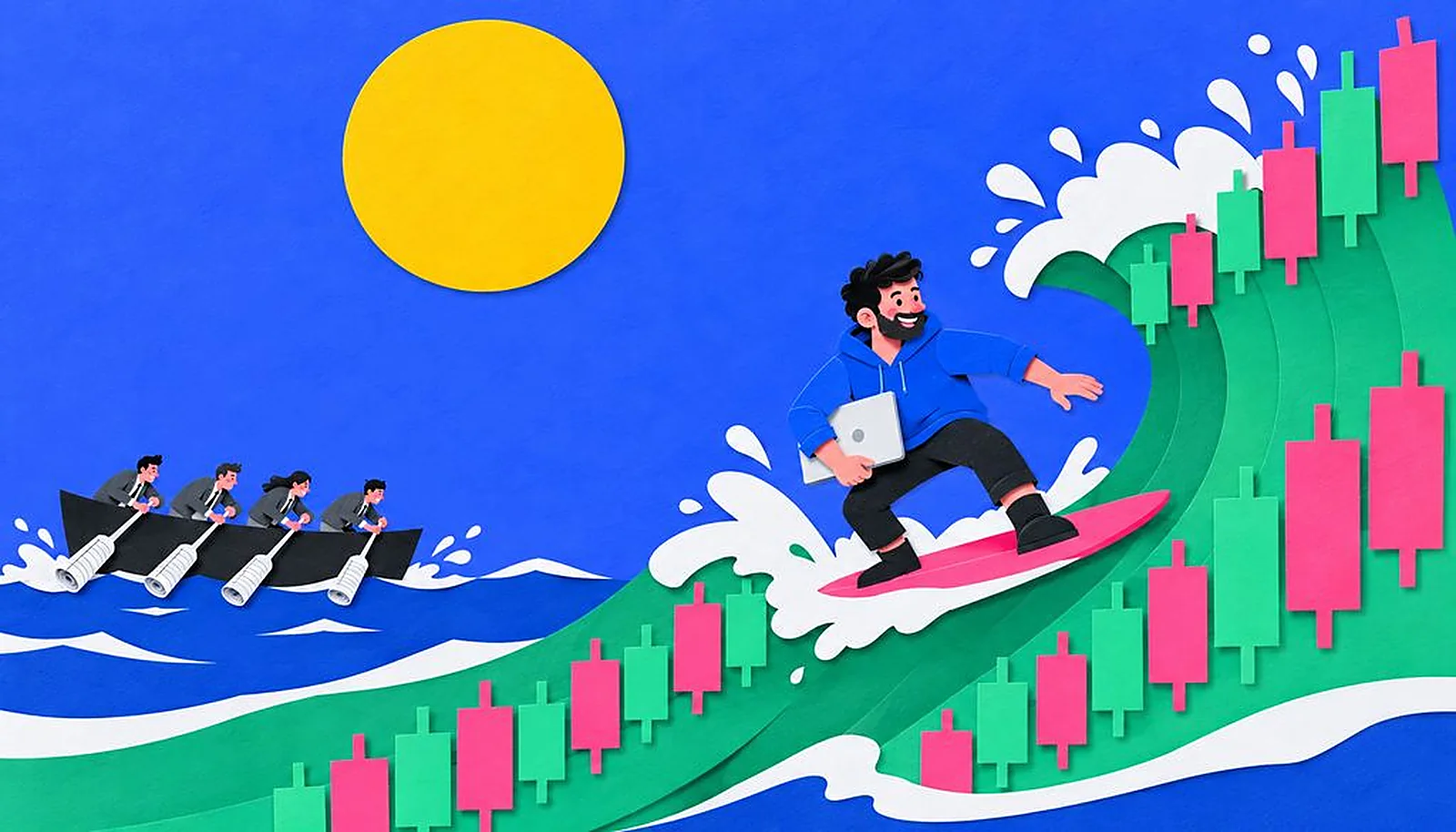
Web3 runs on community time, and community time is measured in hours. The best Web3 agencies I've worked alongside were properly quick, quicker than anyone in traditional advertising would believe, and they still struggled. The thinking could happen overnight, but the making took weeks. A 3D character takes days to model, rig and light, and an animated film takes longer still. By the time it rendered, the joke it was built around had been told a thousand times by people with free tools and no reputation to lose.
So most people picked a side. Some went fast, posted whatever they could make by lunchtime, and the community smelled it a mile off. The rest went for quality and arrived, beautifully dressed and perfectly on time, at a party that had finished three days earlier.
Have a go
Get it signed off before the moment's gone.
A narrative breaks on day zero. Take it through a normal process and keep an eye on the timeline.
- The briefOK
- MoodboardOK
- First roundOK
- Second roundOK
- A call about the second roundOK
- LegalOK
- Sign-offOK
- RenderOK
- Post itOK
- World's already builtOK
- Make itOK
- Post itOK
Everyone's talking about it.
Nineteen days from brief to post. By then the timeline had moved on.
The time I got it right, and the half I got wrong
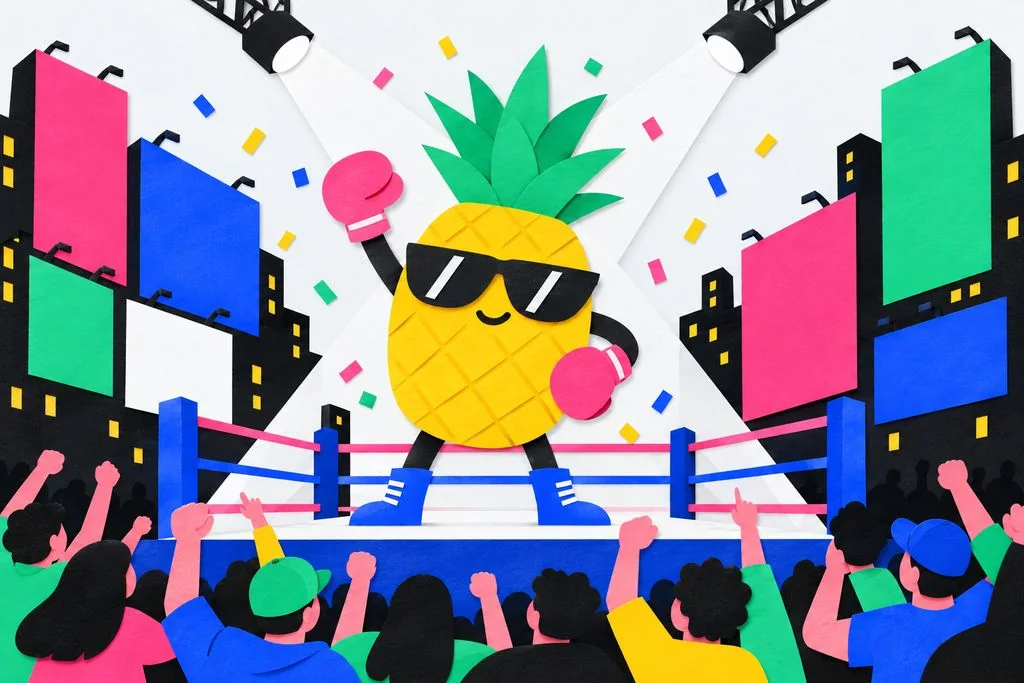
When Pineapple launched in September 2024, I was finally on the other side of the table. There was no outside client and no sign-off chain, so the creative could move at the speed of the timeline.
Then there was the name. A pineapple, it turns out, is also a symbol associated with swinging. The exchange did swaps. You can see where this is going. The sensible move was a quiet rename before launch. Instead I leaned all the way in, with lore, characters and a launch film called It's Not What You Think, It's Better. It's one of the boldest decisions I've made in business and one of the most rewarding, because a brand that knows exactly who it is can take whatever the market throws at it and turn it into the next chapter.
That film helped secure a partnership with Binance Labs. The launch campaign cost about £45,000 and took Pineapple to a $7M market cap, and a bigger campaign later took it to $23M, still with no funding. It went on to partner with UFC Fight Pass, Cage Warriors and Polaris. The way the community got behind it still means more to me than any of the numbers.
Much of that lore and advertising was made with AI, while most of the industry was still arguing about whether it counted. The speed came from the tools. The soul came from having decided early, and firmly, what the thing was.
The half I got wrong I've written about properly in I was brilliant at half my job. The short version is that the marketing moved at the speed of the timeline and the foundations didn't. Web3 opens that gap faster than anywhere else I've worked, because speed is a gift to the story and a liability for everything underneath it unless someone's minding it. I exited in 2025 with wins I'll be proud of for the rest of my life, and lessons I paid full price for.
What AI changed
For most of my career, speed and craft pulled in opposite directions. AI is the first thing I've used that lets them pull the same way, and I don't say that lightly as somebody who once spent three months on a set of coins.
It changed the making. The days spent modelling, lighting, rendering and re-rendering have shrunk to hours. For Fake Brand Friday I invent a brand that doesn't exist and make its advert, just to see what the newest models can really do. My Pi Network pitch was a film instead of a deck. Priority Seat, my short about a teenager and a war veteran at a Welsh bus stop, took 731 images and 163 video generations and won Best Super Short Film at the Cannes World Film Festival, and the bit that won it was every generation I said no to.
What it hasn't changed is the bit that decides whether anyone cares. AI doesn't know your community. It can't tell an in-joke from an insult, and it has no idea that a crowd of goblins will tear a brand apart for sport and adore a piece of fan art made with love. It'll hand you a thousand options before your coffee's cooled, and most of them will look like everyone else's.
Have a go
Fast, good, true to the brand.
For most of my career the rule was pick two. Try it.
Pick two, said the old rule. With AI and the right person, it's all three.
How I keep the soul in it at speed
People ask how I move this fast without the work going hollow. Most of the work happens before the moment arrives.
I build the world first: the lore, the characters, the look, the tone of voice and, where it makes sense, a model trained on the brand's own references, so anything generated later already looks and sounds like it belongs. When a trend breaks, I'm reaching into a world that already exists, and that's where the real speed comes from.
Before I make anything for a community, I spend time where it lives. A Web3 community can tell within a couple of posts whether you're one of them, and knowing how it speaks does more for the work than any render setting.
The piece of work that opened the most doors for me in this industry was unpaid fan art. Giving before taking still works in Web3, as long as you're quick about it.
The decisions stay human. AI makes the options, and I choose the one that's true to the brand, cut the detail that's only there to show off, and notice when something technically finished still isn't right.
The making got fast. The deciding is still the job.
If you run an agency, read this bit
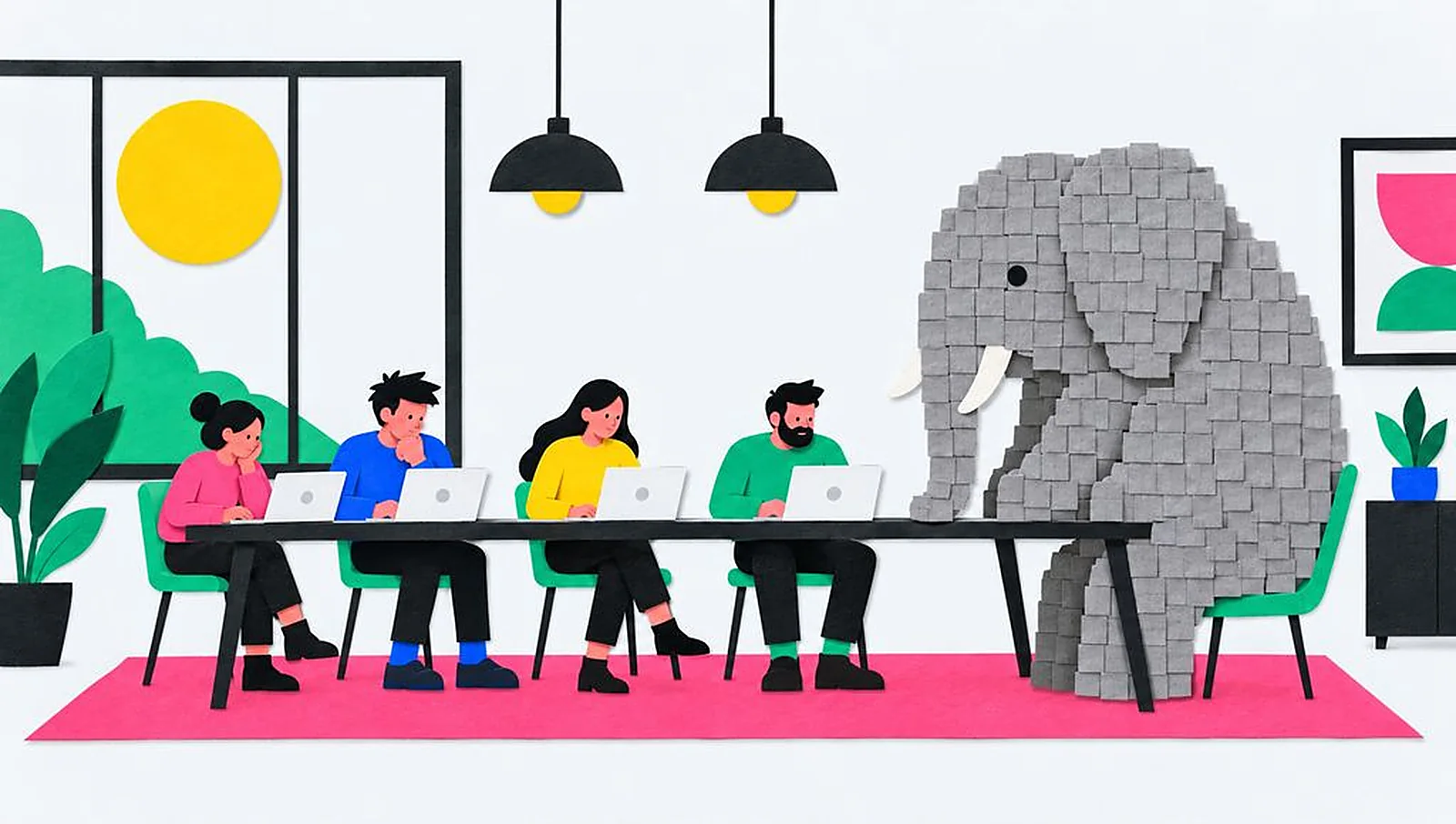
I've sat on your side of the table for a decade, so this isn't a lecture. Your people are good, and the process they work in was built for a world that moves at a different speed, while your Web3 clients need both speeds at once.
That's the gap I work in now. I can sit alongside your team and turn a narrative into a finished film, campaign or world while it's still the conversation, with the craft that gets a heritage brand's design team nodding and the fluency that gets a Web3 community on side. Your team keeps the relationship and the strategy, and gains a gear it didn't have before.
The market will probably have moved on again by the time you finish reading this. The trick is being ready when it matters, and still meaning something when you get there.
If that sounds useful, you know where to find me.
Questions people ask
Why do Web3 brands need creative so fast?
Because the conversation moves on in days. A narrative, a meme or a partnership announcement has a short window where the community cares, and creative that arrives after it has passed gets polite applause at best.
Can you move that fast with AI without the brand losing its soul?
Yes, if the world is built first. I set the lore, characters, look and tone of voice up front, and where it helps I train a model on the brand's own references, so anything made at speed later already belongs to the brand. The decisions about what's true to it stay with me.